Optimization of TPS 3R is Encouraged to Improve Waste Management
Reported by Fakhrizal Fakhri | Translated by Rizky Mawardi
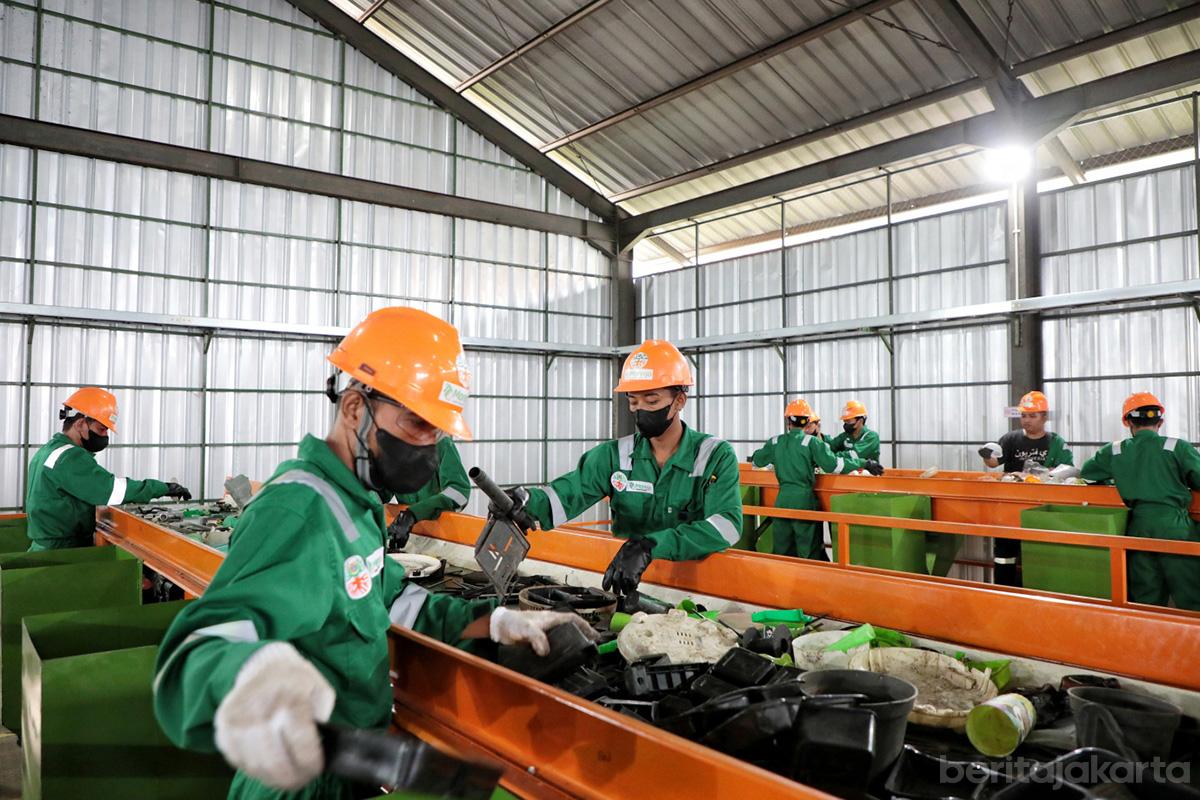
Chairwoman of Jakarta City Council's Commission D, Yuke Yurike, encouraged the Jakarta Provincial Government to optimize the 31 existing reduce, reuse, and recycle (TPS 3R) waste processing sites to accelerate waste management in the capital.
Collaborating with the private sector
In addition to maximizing existing facilities, the Jakarta Provincial Government is also asked to explore collaboration with the private sector to increase waste processing capacity while reducing dependence on the Regional Revenue and Expenditure Budget (APBD).
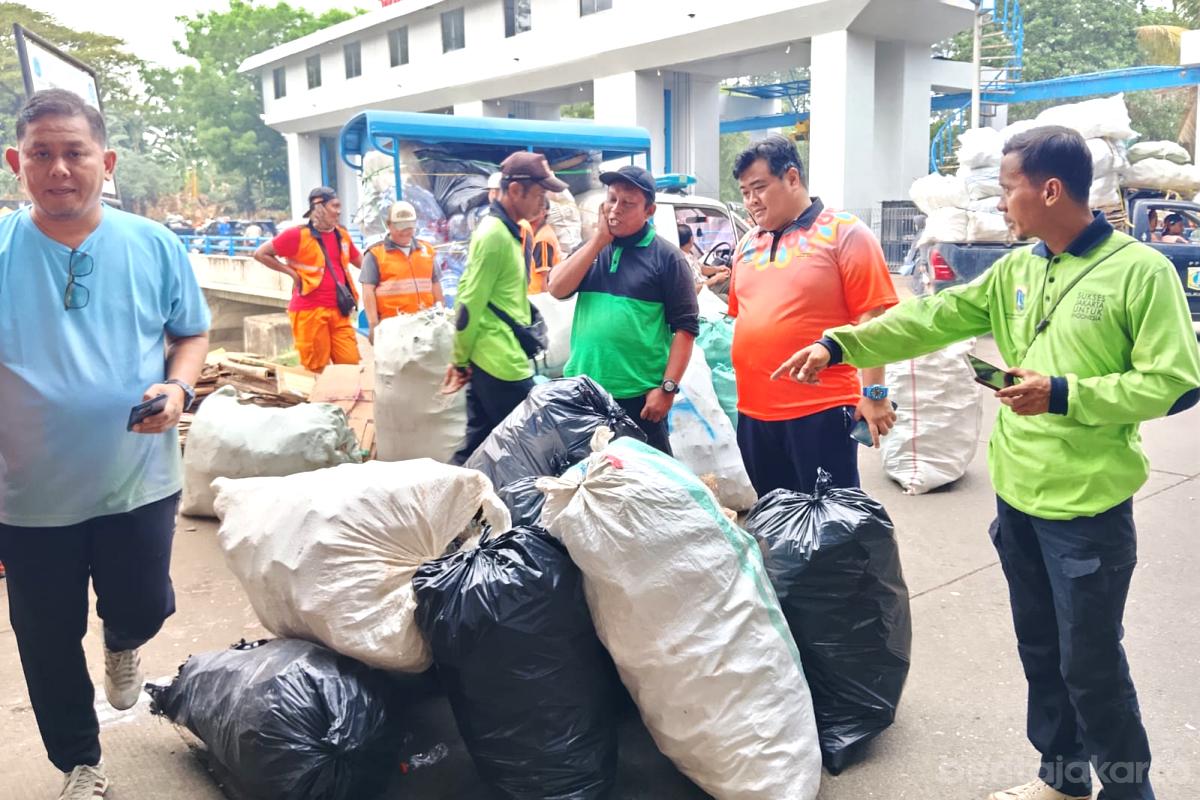
Trash from Sumur Batu Completely RemovedYuke stated that limited budget, human resources, and facilities remain challenges in waste management in Jakarta. Therefore, collaborative measures are needed to optimize all available resources.
"We are open to the possibility of collaborating with the private sector. Essentially, this is to expedite waste management in Jakarta so that it can be completed more quickly," she said, Friday (11/6).
According to Yuke, the 31 TPS 3R need to be mapped based on their development potential, either through independent management or collaboration with the private sector. Private investment support is expected to increase waste processing capacity at each facility.
A number of TPS 3R that have collaborated with the private sector have been able to increase their waste processing capacity. This collaborative model is expected to be implemented at other 3R waste disposal sites and serve as a model for developing new facilities.
Moreover, Commission D also highlighted the lack of a temporary waste disposal site (TPS) in Cilandak, South Jakarta. Yuke urged the Jakarta Provincial Government to find a solution immediately to prevent the problem from protracting while awaiting plans to build a new facility in 2028 or 2029.
"We are trying to find out if there are any alternatives other than buying land," she added.
As a temporary measure, Yuke proposed using smaller containers to store waste. This measure is expected to prevent waste from being scattered and ensure that waste management continues until a permanent landfill is available.
She emphasized that waste management in Jakarta cannot rely solely on the Environmental Agency, but requires collaboration across regional agencies, the private sector, and the community.